
Why understanding the realities of direct support is essential to providing better pharmacy support
By Kristi Torres, PharmD, Vice President of Account Management, Tarrytown Expocare Pharmacy
A direct support professional noticed something had changed.
After an individual began taking a new medication, the DSP observed a change in their behavior. Because she knew the individual well, she recognized that the change might be connected to the medication and advocated for a follow-up with the prescriber. The medication was discontinued.
Six months later, another prescriber considered starting the same medication again. The DSP remembered what had happened. She spoke up, explained the previous response, and advocated for a different direction.
It is a powerful example of something those who work in intellectual and developmental disabilities already understand: the people closest to an individual often see what others cannot.
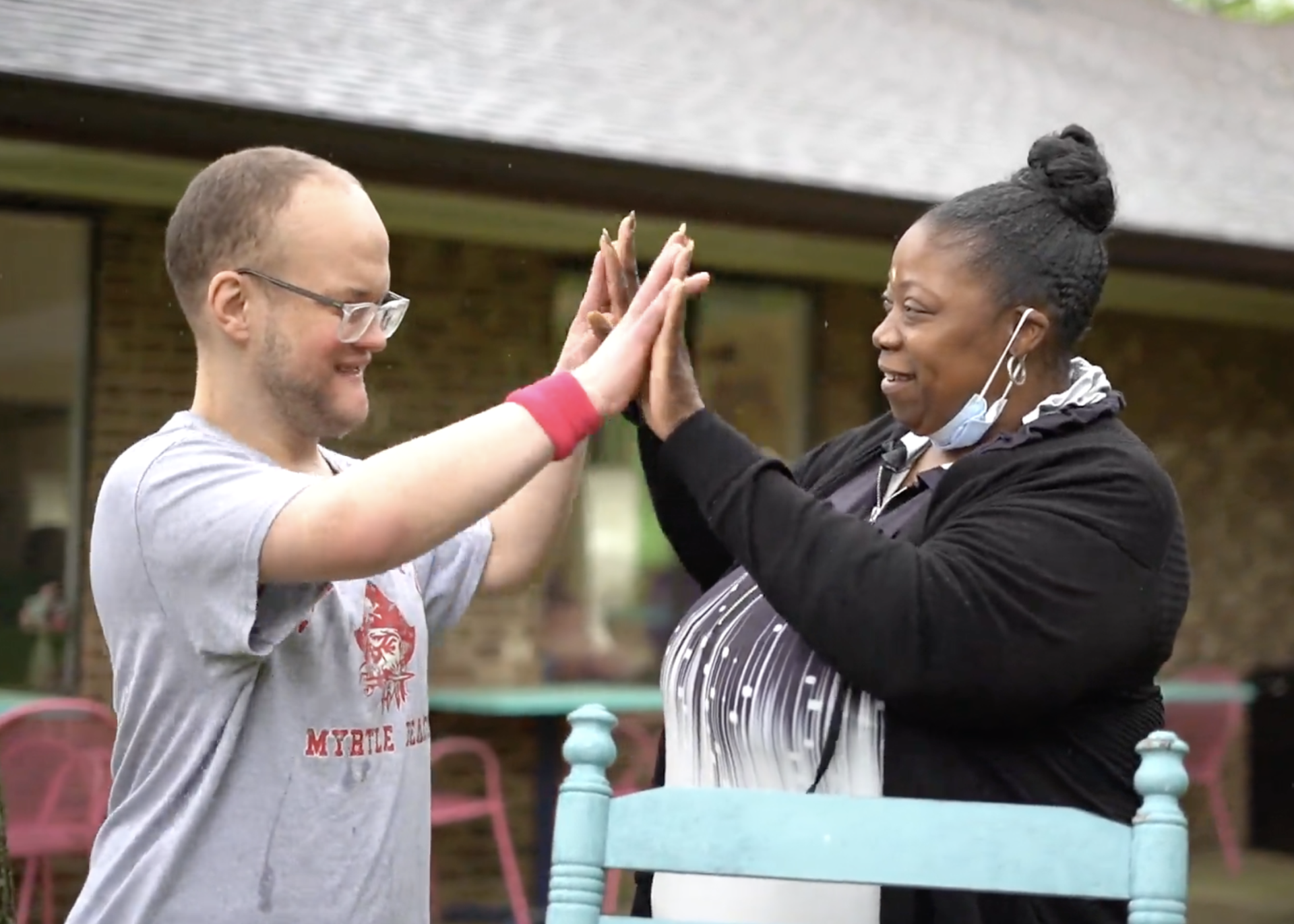
DSPs do far more than administer medications. They observe, remember, communicate, and advocate. They recognize subtle changes because they know the people they support—their routines, preferences, behaviors, and ways of communicating.
Their knowledge is an essential part of safer, more person-centered medication support.
Medication Administration Happens in the Middle of Real Life
Medication administration in a community-based home looks vastly different from medication administration in a hospital, skilled nursing facility, or other clinical settings.
A nurse or prescriber is not typically present in the home around the clock. Instead, DSPs are trained and delegated to administer medications while supporting every other part of daily life.
During a medication pass, a DSP may also be answering the phone, helping someone prepare for the day, responding to another individual who needs assistance or managing an unexpected situation in the home.
The medication regimen itself can be complex. Individuals living in community-based settings may have 15 or 16 active medications, with many scheduled at different times throughout the day. Twelve routine medications can quickly become 24, 30 or more separate administrations.
And medication administration is rarely as simple as handing someone a pill.
A person may need additional time, reassurance, or support. A medication may need to be administered in a particular way. A change in behavior, appetite, sleep, or routine may be the first indication that something is not right.
DSPs manage all of this while helping ensure the home remains what it is meant to be: someone’s home.
That reality should shape the way pharmacy services are designed.
Specialization Begins with Understanding
Before joining Tarrytown Expocare Pharmacy, I worked in a community pharmacy. When I began serving the IDD community, I quickly learned that the medication profiles, doses, and combinations I encountered could look vastly different from what I had previously considered typical.
That experience also exposed a much larger gap.
Healthcare education addresses the specialized needs of many populations, including children, older adults, and people receiving cancer treatment. Yet many pharmacists, nurses, physicians, and other healthcare professionals receive little formal education about the needs and experiences of people with intellectual and developmental disabilities.
A professional can enter the field with extensive clinical education and still be unprepared for the realities of supporting this community.
Without that understanding, important context can be missed. A provider may encounter an unfamiliar medication or dosage and interrupt an established treatment plan unnecessarily. In an emergency or unfamiliar healthcare setting, an individual’s needs may not be fully understood—particularly if someone who knows them well is not there to help communicate and advocate.
Clinical expertise matters. But expertise in this community also requires humility: the willingness to stop, listen and learn from the individual and the people who know them best.
Pharmacy Must Understand the World Around the Medication
In a traditional pharmacy setting, communication often happens directly between the pharmacist and the person taking the medication.
In community-based IDD services, that communication may involve a DSP in the home, a medical coordinator, a nurse overseeing multiple locations, an agency leader, and one or more prescribers.
Each person has different information, responsibilities, and pressures.
A nurse may be traveling between numerous homes. A DSP may be balancing medication administration with several competing needs. A medical coordinator may be gathering information from an appointment they did not attend.
When a pharmacy does not understand those layers, even a seemingly simple issue can create more work, more confusion, and more stress for the people supporting the individual.
That is why specialized pharmacy support must extend beyond filling and delivering prescriptions.
Compliance packaging, medication administration records, technology integrations, education, and responsive communication are not merely additional services. They are tools that help DSPs, nurses, and agency teams manage medications more confidently and effectively.
The way medication is packaged matters. The way information is communicated matters. The way a pharmacy responds when something unexpected happens matters.
Sometimes, an issue may not have originated with the pharmacy. A delivery may be placed in the wrong location. Information from an appointment may be incomplete. A prescription change may not have reached everyone who needs it.
Regardless of where the problem began, the team still needs help solving it.
Our responsibility is to understand the situation, reduce confusion, and help identify the next step. Our goal is to make pharmacy one less thing the team has to worry about.
Recognizing the People Who Make a House a Home
The DSP recognition stories we receive are filled with extraordinary examples of advocacy, compassion, and commitment.
We hear about DSPs who recognize medication-related changes and speak up. We hear about people who attend appointments and ensure an individual’s history is understood. We hear about DSPs who decorate for the holidays, start gardens, complete projects alongside the people they support and stop by even when they are not working to see how things are going.
These actions may not appear on a medication administration record, but they are deeply connected to a person’s health, stability, and sense of belonging.
One DSP recognized through our program worked with a group of young men to repair and paint their home. He gave them an opportunity to contribute, take ownership, and feel pride in where they lived.
When he received his recognition, a neighbor came over to see what was happening. The neighbor shared how dramatically the atmosphere surrounding the home had changed and credited the DSP with helping create that transformation.
That is direct support.
DSPs help create routines that feel safe. They notice small changes. They remember what happened months earlier. They advocate when the person they support may not be able to advocate alone. They help transform a house into a home and a neighborhood into a community.
During DSP Recognition Week, we recognize the skill, patience and responsibility this work requires. We also recognize the relationships at the heart of it.
At Tarrytown Expocare Pharmacy, we know pharmacy is only one part of a much larger picture. But when pharmacy understands that full picture, it can reduce the burden on the people doing this essential work—and help them return their time and attention to the people who depend on them.
Continue the Conversation With Kristi Torres, PharmD
Kristi Torres, PharmD, is continuing the conversation about stronger medication support for people with intellectual and developmental disabilities through two upcoming programs.
Listen to Navigating Neurodiversity
Kristi joins Navigating Neurodiversity, a podcast from The Arc Southern Chesapeake, to discuss DSP advocacy, medication complexity and what it means to provide pharmacy support specifically designed for the IDD community.
The episode will be released during DSP Recognition Week. Visit [Navigating Neurodiversity] to explore the series and watch for Kristi’s upcoming conversation.
Join Tarrytown Expocare’s ANCOR Partner Presentation
Kristi will also present “From the Front Line to the Boardroom: Turning Pharmacy Data Into Better Decisions” during an upcoming ANCOR Partner Presentation.
The webinar will explore how IDD organizations can use pharmacy data to identify trends, strengthen medication oversight and support better decisions across every level of the organization—from the people providing direct support to executive leadership.
Date: September 22, 2026
Presenter: Kristi Torres, PharmD, Vice President of Account Management
Continuing education credits: Not available